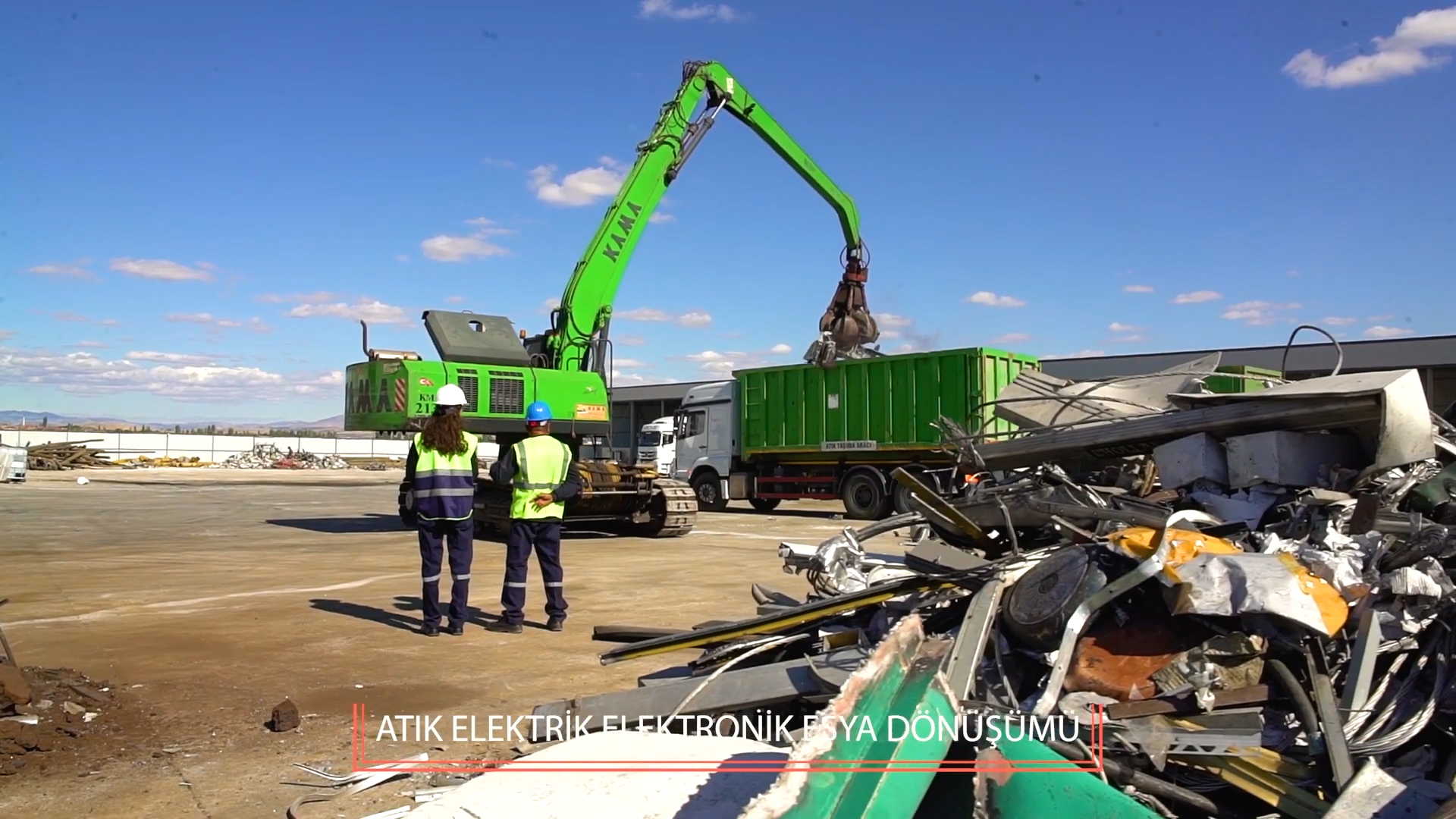
The recycling of electrical and electronic equipment plays a significant role in resource conservation, as the materials contained within these items can be reused as raw materials.
While such equipment is primarily composed of plastics and metals, the more advanced the technology within an electronic device, the more valuable the metals it contains. Electronic circuit boards, for instance, contain not only common elements like copper, iron, and tin, but also rare, high-value elements such as gold, silver, platinum, and palladium. Consequently, recovering these metals creates substantial economic value while reducing the consumption of increasingly scarce natural resources. It is of critical importance to manage these items—which have become an integral part of our daily lives—in an environmentally responsible manner and to recover them without losing their inherent value.
As electrical and electronic devices reach the end of their service life and technology continues to advance, the demand for new equipment grows day by day. As a result, millions of units of Waste Electrical and Electronic Equipment (WEEE) are generated in our country every year.
As EKOVAR, under our environmental license, we ensure the recycling of WEEE (Waste Electrical and Electronic Equipment) collected separately at the source, in accordance with environmental legislation.
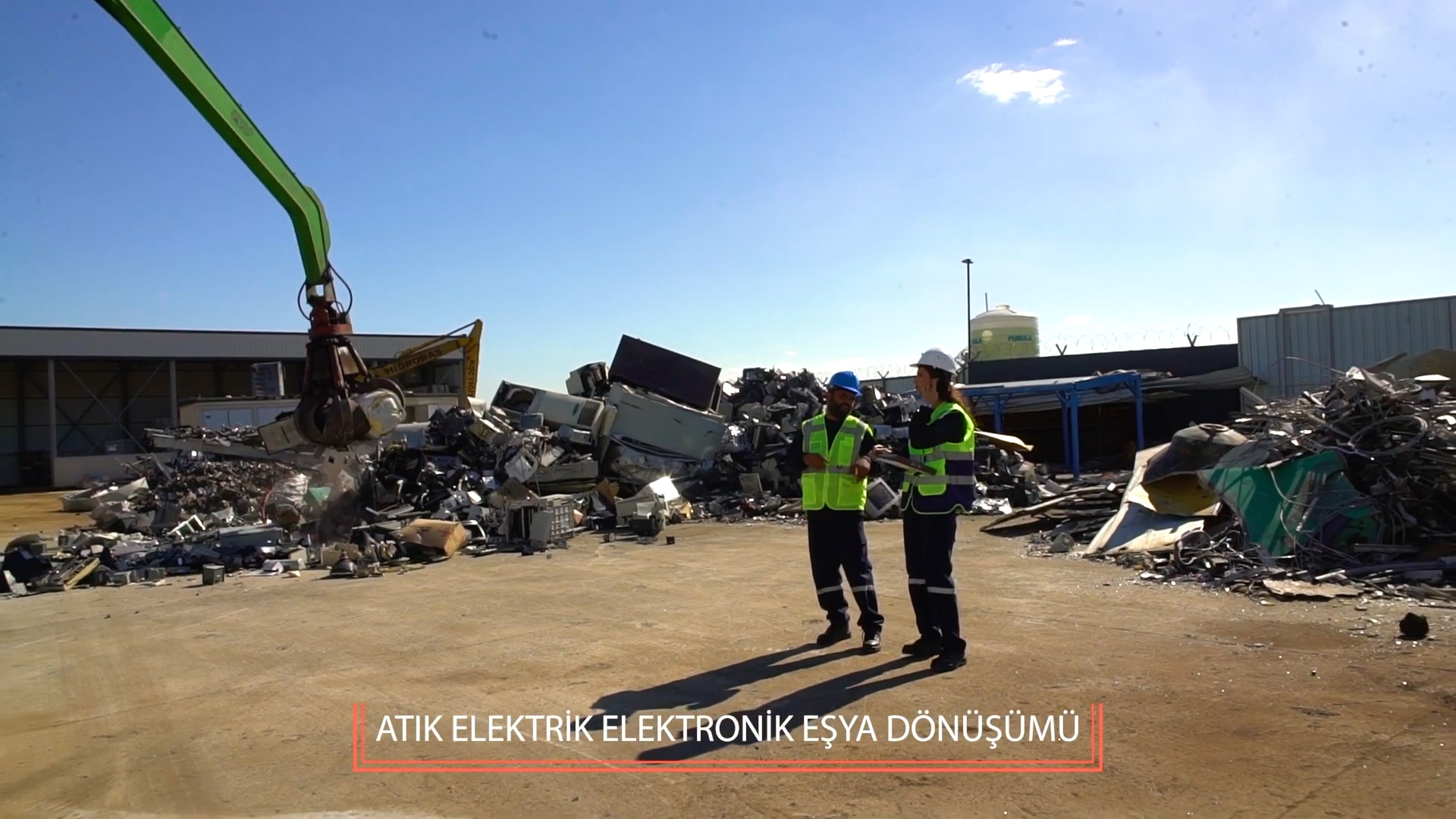
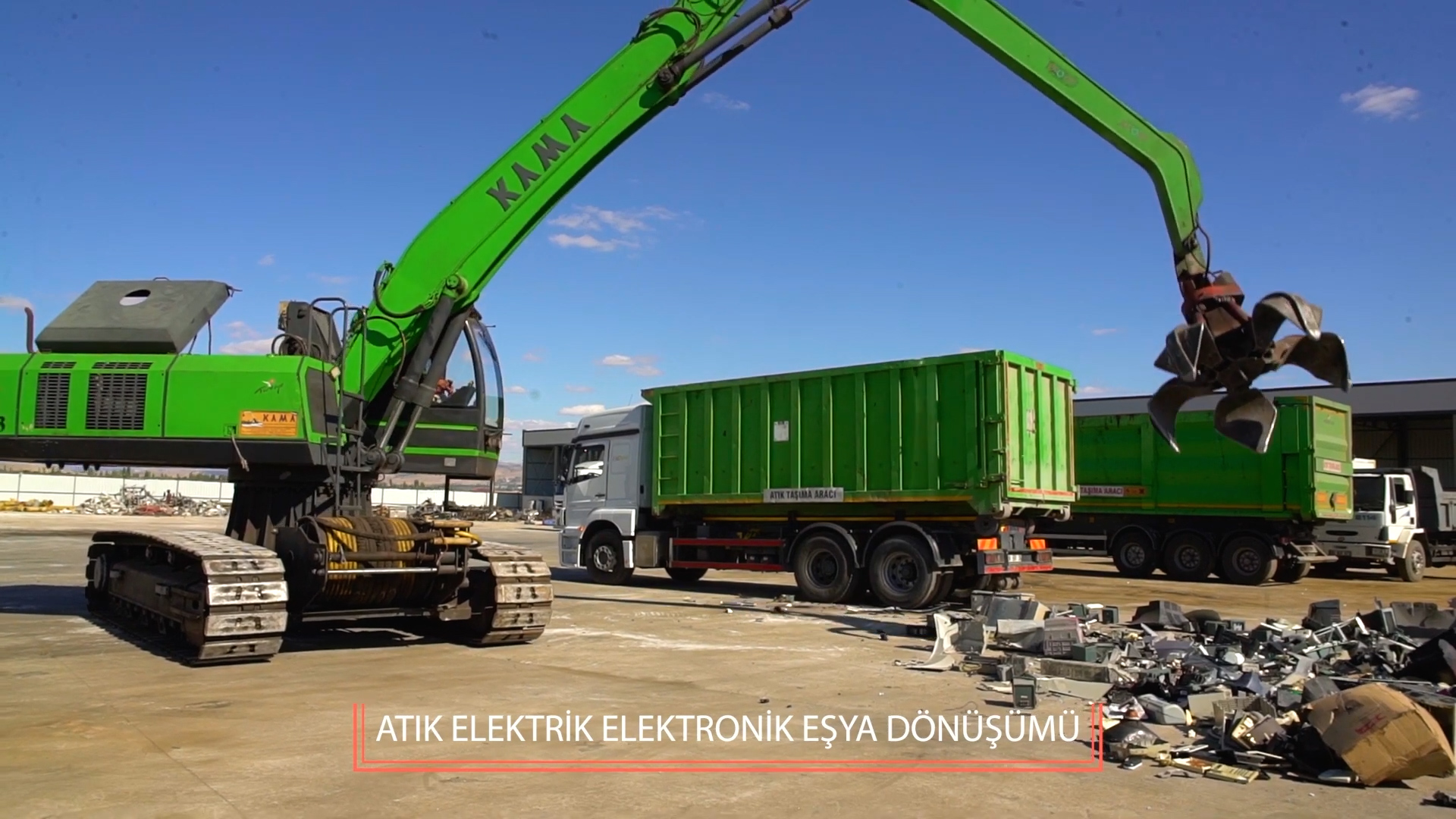
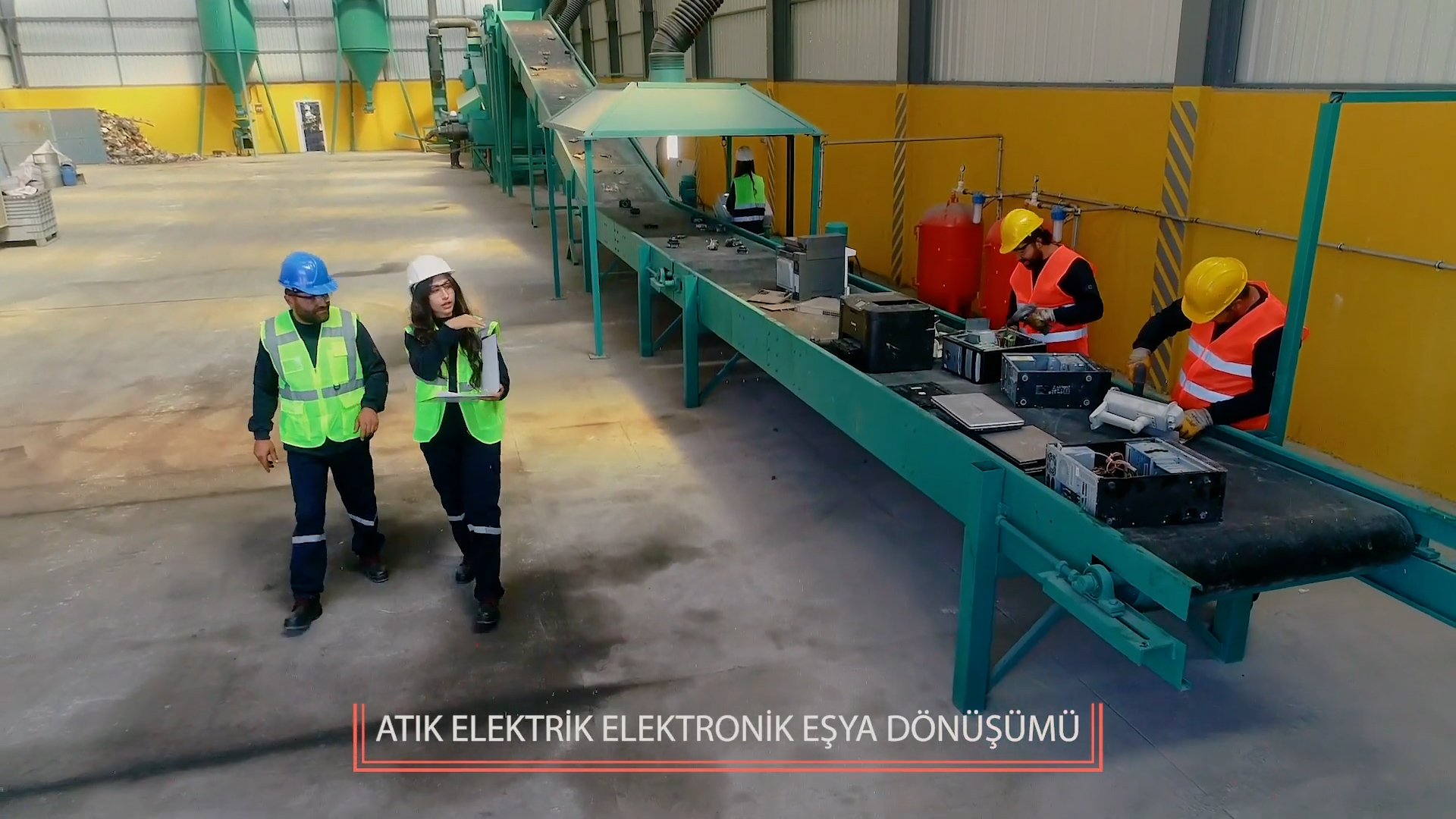
The recycling of electrical and electronic equipment plays a significant role in resource conservation, as the materials contained within these items can be reused as raw materials.
While such equipment is primarily composed of plastics and metals, the more advanced the technology within an electronic device, the more valuable the metals it contains. Electronic circuit boards, for instance, contain not only common elements like copper, iron, and tin, but also rare, high-value elements such as gold, silver, platinum, and palladium. Consequently, recovering these metals creates substantial economic value while reducing the consumption of increasingly scarce natural resources. It is of critical importance to manage these items—which have become an integral part of our daily lives—in an environmentally responsible manner and to recover them without losing their inherent value.
As electrical and electronic devices reach the end of their service life and technology continues to advance, the demand for new equipment grows day by day. As a result, millions of units of Waste Electrical and Electronic Equipment (WEEE) are generated in our country every year.
As EKOVAR, under our environmental license, we ensure the recycling of WEEE (Waste Electrical and Electronic Equipment) collected separately at the source, in accordance with environmental legislation.
