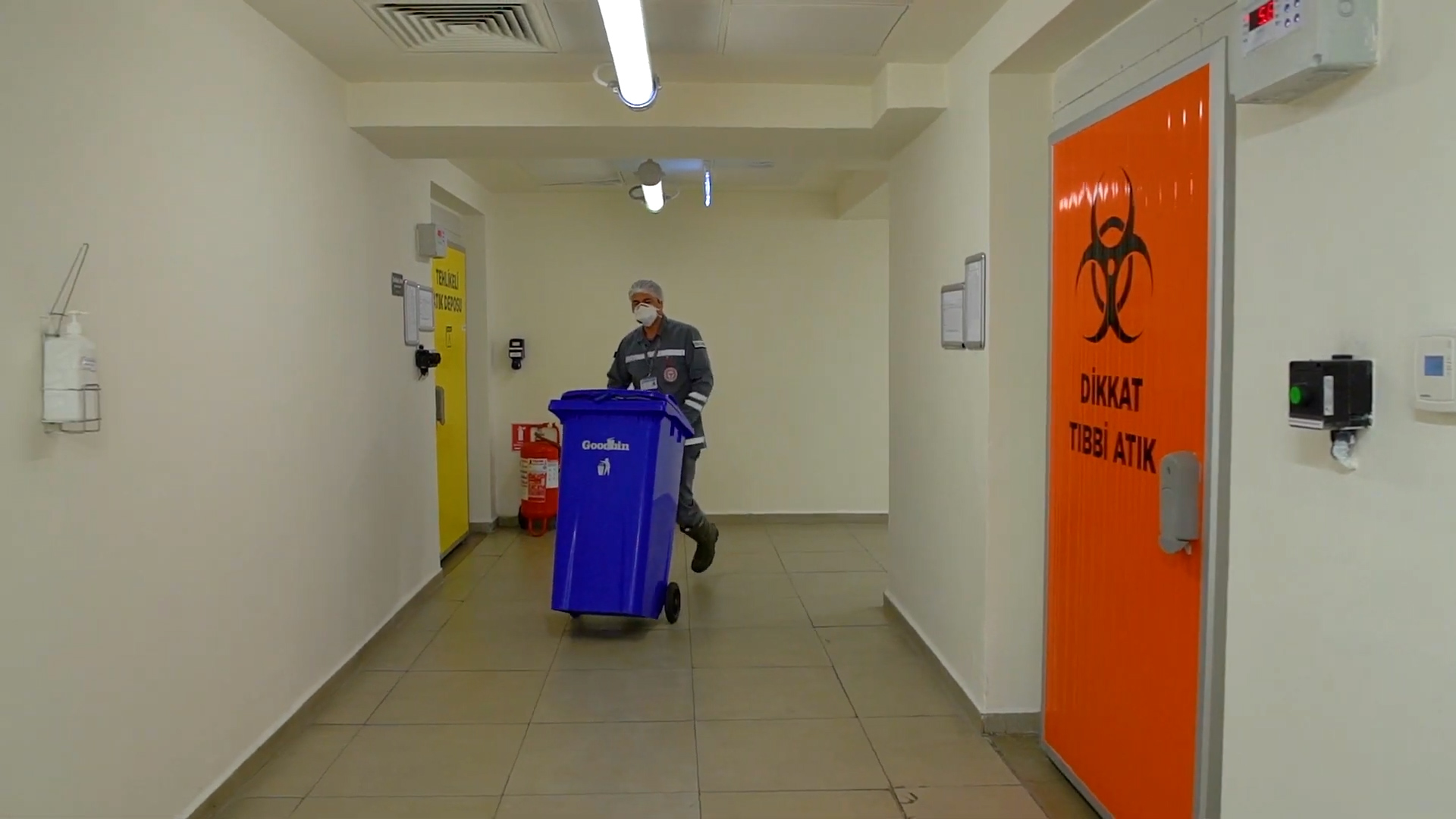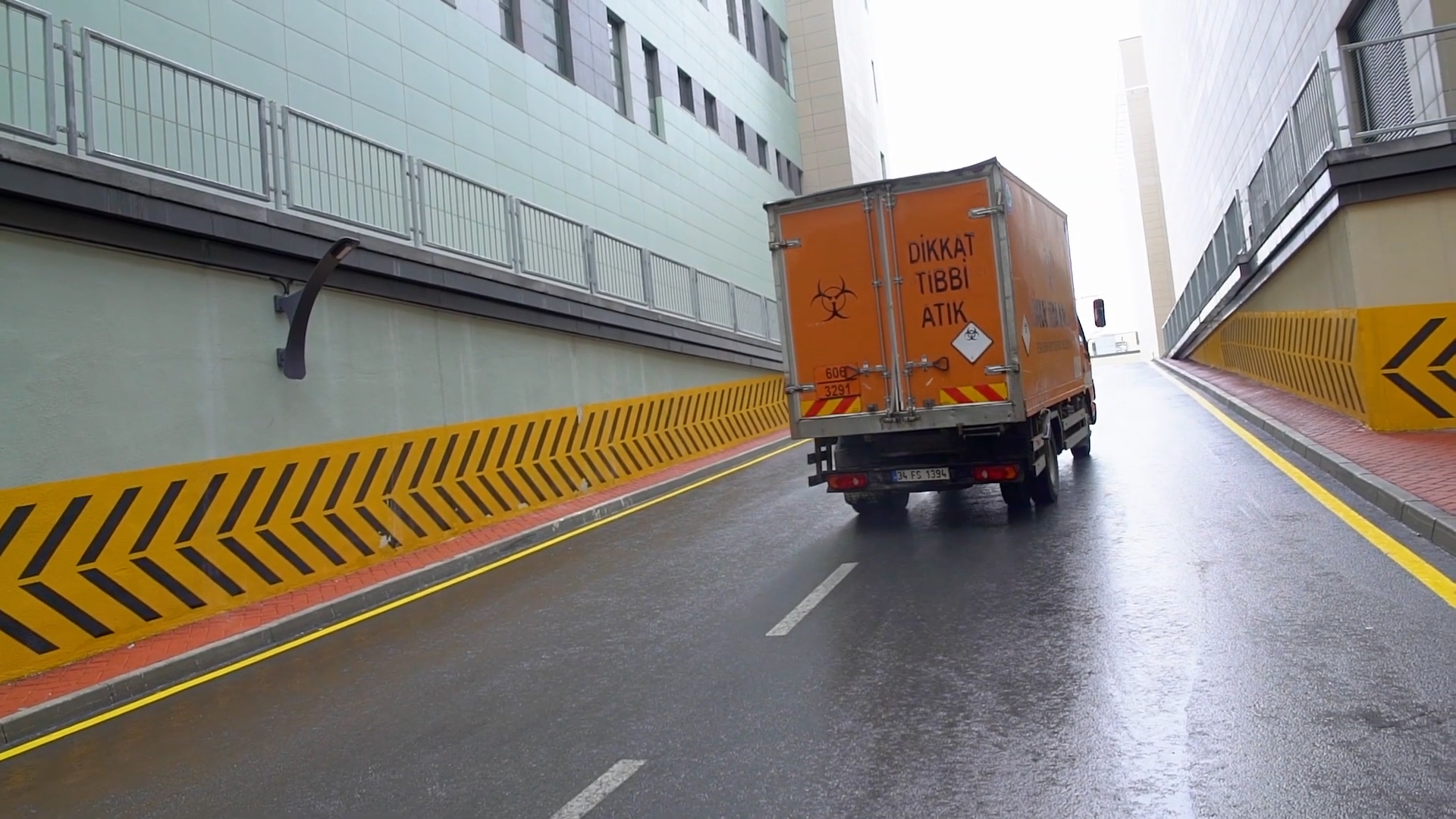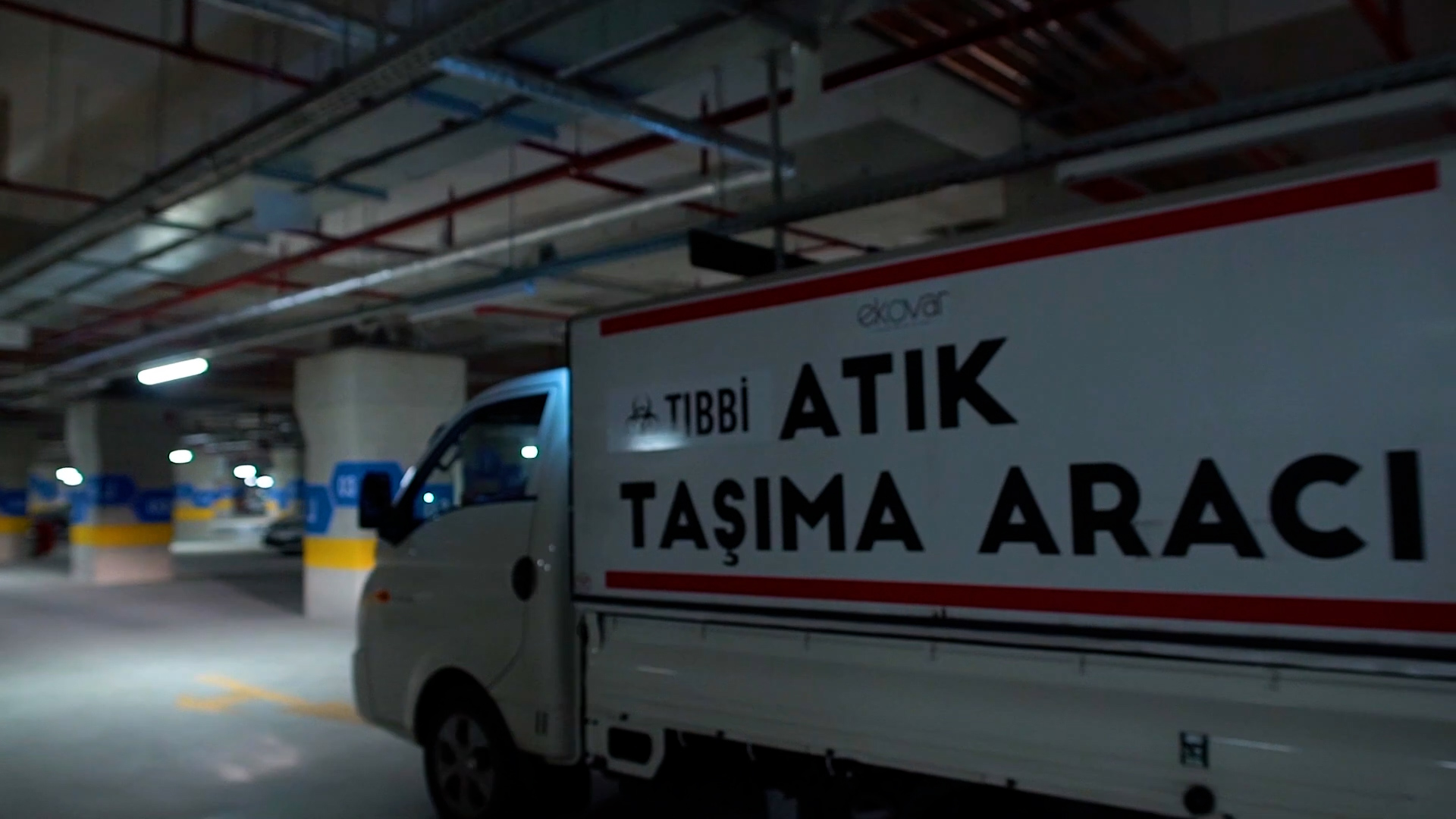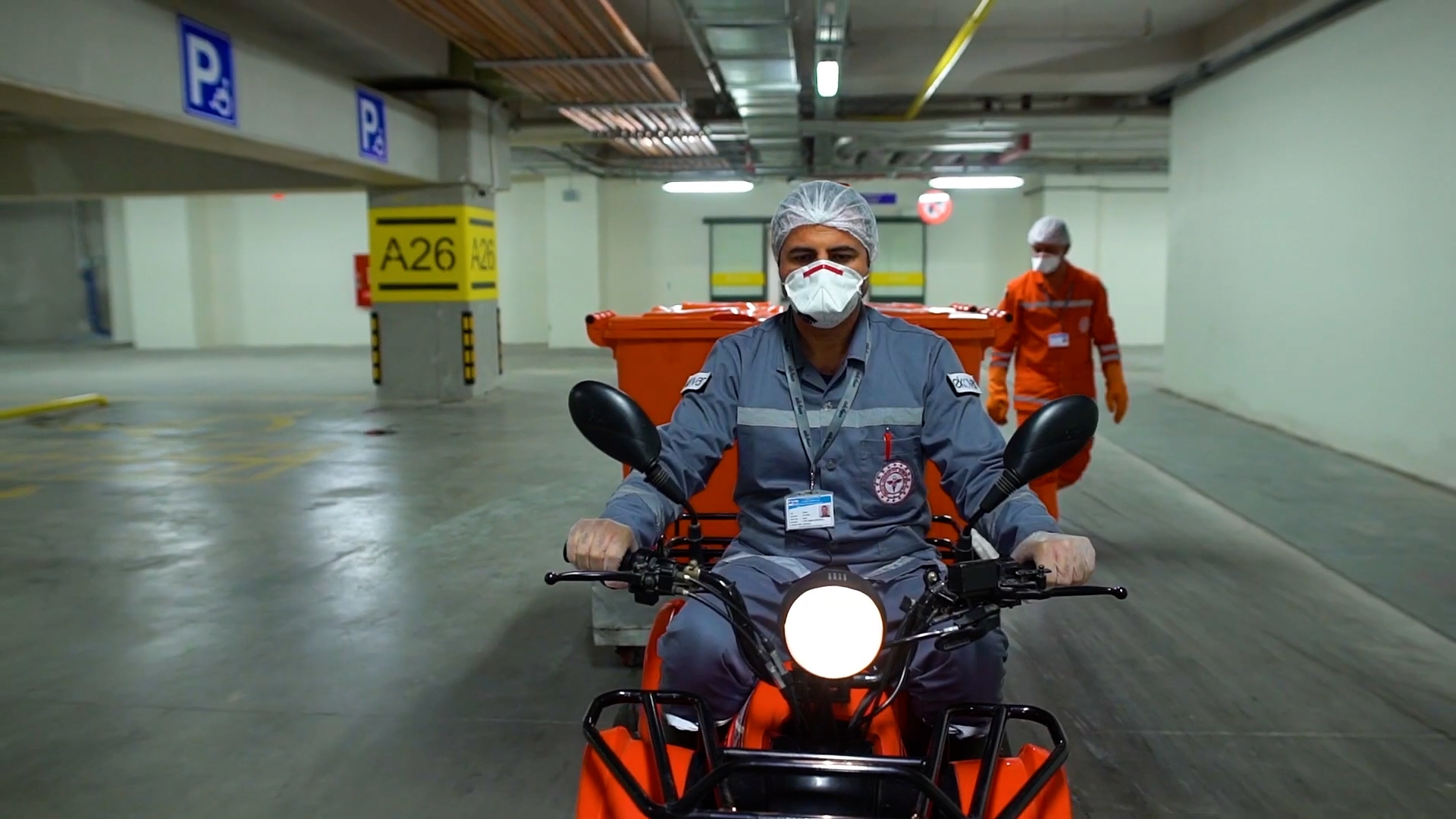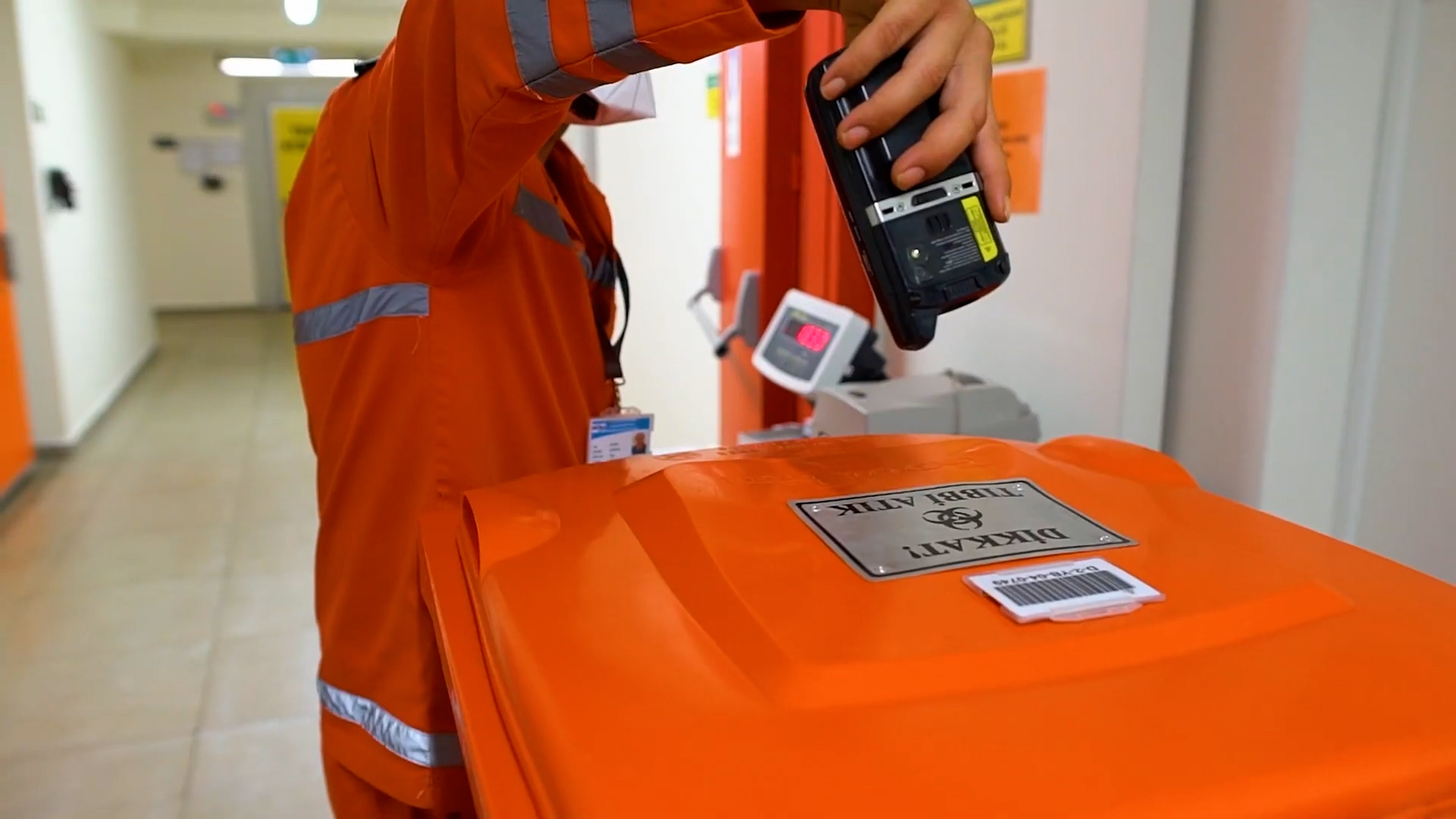
One of the most significant and effective measures for waste management in healthcare institutions is the minimization of medical waste generation, coupled with the adoption of a "zero-waste" approach. Unlike waste generated by other types of activities, waste produced during the operations of healthcare facilities carries a higher risk of infection and contains substances that are potentially hazardous or harmful to humans and the environment. According to the Regulation on the Control of Medical Waste, the term "medical waste" refers to "infectious waste, pathological waste, and sharps waste originating from healthcare facilities" (Ministry of Environment and Urbanization, 2012). Medical waste is defined as waste generated by healthcare institutions during the provision of services; the Ministry of Environment and Urbanization classifies waste into categories including domestic-type waste, medical waste, hazardous waste, and radioactive waste (Ministry of Environment and Urbanization, 2012). As EKOVAR, we provide integrated waste management services for City Hospitals—facilities established under Public-Private Partnership (PPP) models. In these City Hospitals, which are equipped with smart building and digital hospital technologies, we deliver our waste management services in full compliance with quality principles, utilizing modern equipment alongside digital recording and reporting software. We currently manage integrated waste services for three City Hospitals—located in Ankara, Eskişehir, and Tekirdağ—with a combined capacity of 5,645 beds. Within the scope of our services, we manage a total of 990,140 kg of waste per month, consisting of 264,040 kg of medical waste and 726,070 kg of domestic waste. This service is delivered by a team of 112 Ekovar personnel—comprising both blue-collar and white-collar staff—who are highly experienced, skilled, and experts in their respective fields.